
The Role of Luck in Casino Games
Luck plays a pivotal role in the world of casino games, often being the first thing that comes to mind when players think about winning. Many games, like slots or roulette, are inherently random, which means outcomes are largely dictated by chance. Players may have a good or bad streak simply based on the luck of the draw, making it seem as though fortune is the sole determinant of their success. Additionally, those who enjoy playing may also explore online pokies for a unique gaming experience that adds to the excitement of the casino atmosphere. This randomness is what makes these games enticing for many, as the thrill of hitting a jackpot is often just a spin away.
However, while luck is indeed a substantial factor, it is not the only element at play. Players must consider the odds of each game, and understanding these odds can significantly influence their strategy. For instance, games like blackjack and poker require not just luck but also skill, as players must make strategic decisions based on the cards they are dealt, the betting tendencies of their opponents, and the probabilities of winning. Thus, it becomes clear that luck, while important, is intertwined with a deeper layer of skill and strategy.
Moreover, superstition often influences players’ beliefs about luck in casinos. Many gamblers have their unique rituals or habits that they believe can enhance their fortunes. Whether it’s wearing a lucky charm or adopting a specific betting pattern, these behaviors underscore the psychological impact of luck in gambling. This interplay between superstition and actual game mechanics adds an intriguing layer to the gambling experience, blending the randomness of luck with the players’ perceptions and actions.
Understanding Probability and Odds
Probability and odds are foundational concepts that every gambler should understand if they wish to improve their chances of winning. Each game in a casino has defined odds that determine how often players can expect to win, and understanding these statistics becomes essential. For instance, in games like craps or baccarat, players can place bets with a clearer grasp of the probabilities involved. This knowledge allows players to make informed decisions about where to place their money, increasing their chances of a successful outcome.
It’s crucial to differentiate between the house edge and the player’s odds. The house edge is the mathematical advantage that casinos have over players, ensuring that, over time, the house will always win more often than not. Yet, skilled players can work around this edge by utilizing strategies specific to their games, leading to favorable outcomes that might seem driven by luck but are, in fact, calculated decisions. For example, in poker, understanding when to bluff or fold can swing the odds significantly in favor of a skilled player.
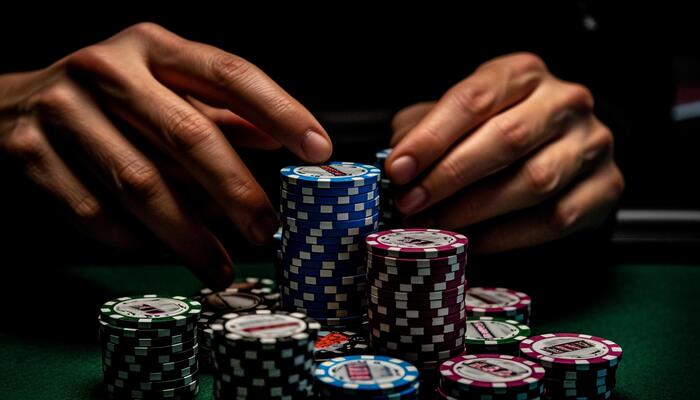
Additionally, long-term gambling habits can significantly alter the outcomes experienced by players. While luck can influence short-term results, players who grasp the intricacies of probability and consistently make sound decisions are more likely to see favorable outcomes over extended play. This understanding is vital for anyone considering gambling as a serious pastime, as it highlights the importance of informed decision-making alongside the undeniable randomness of luck.
Skill-Based Games vs. Chance-Based Games
Within casinos, games can often be categorized into skill-based and chance-based games. Skill-based games, such as poker or blackjack, require an understanding of game theory, strategic thinking, and the ability to read opponents. These games allow players to leverage their skills to gain a competitive edge, illustrating that victory can often stem from knowledge and experience rather than mere luck. For example, a professional poker player may consistently outperform casual players due to their ability to analyze situations, manage their bankroll effectively, and manipulate the dynamics of the game.
In contrast, chance-based games, such as slots or roulette, are purely about luck. The outcomes in these games are solely reliant on random number generators or physical chance, making it impossible for players to influence results through skill. While the thrill of potentially winning big is appealing, players must also understand the limitations of these games. Being aware that no strategy can alter the outcome can help players maintain a healthy perspective and avoid potential gambling pitfalls.
The distinction between skill and luck in casino games is essential for players to recognize. By understanding whether a game relies more heavily on chance or skill, individuals can tailor their approach accordingly. The blend of both elements in a casino—whether it’s the strategic decisions made in poker or the random spins of a slot—creates a unique gambling environment, guiding players toward their own individual experiences of success and enjoyment.
The Psychological Factors in Gambling
The psychology of gambling is an intriguing area that examines how emotions, mindset, and behavior affect players’ experiences in casinos. Many gamblers develop emotional attachments to their games, which can lead to irrational decisions driven by the desire to win back losses or to chase the thrill of a big win. This emotional rollercoaster can complicate the role of luck; players may attribute their wins to good fortune while using losing streaks as evidence of their bad luck or poor decisions.

Additionally, cognitive biases can impact how players perceive luck and outcomes in gambling. For instance, the gambler’s fallacy is a common misconception where individuals believe that past events influence future outcomes. If a roulette wheel lands on red multiple times, a player might erroneously believe that black is “due” to come up next. This misunderstanding can lead to poor betting strategies that overlook the fundamental nature of random chance.
Furthermore, the social environment of casinos plays a vital role in shaping players’ experiences. The atmosphere, lights, sounds, and even the behavior of other gamblers can induce excitement that may lead individuals to take risks they otherwise would not consider. Recognizing these psychological factors can empower players to approach gambling with a balanced mindset, enabling them to differentiate between luck, skill, and emotional decision-making ultimately improves their overall gaming experience.
Exploring Resources and Responsible Gaming
Responsible gaming is a critical aspect of the casino experience that often gets overlooked. As players delve into the world of gambling, it’s essential for them to understand the importance of having a clear strategy and the potential risks involved. Many casinos provide resources and tools to help players set limits on their spending, time spent gaming, and other habits that could lead to unhealthy behaviors. By promoting responsible gaming, casinos contribute to a safer gambling environment for all.
Educational resources also play a significant role in helping players differentiate between luck and skill. Many organizations and online platforms offer insights into games, strategies, and advice on managing emotions while gambling. These resources encourage players to approach their gaming experience with well-rounded knowledge, enabling them to make informed decisions and enhance their understanding of the games they choose to play.
In essence, understanding luck’s role alongside skill and strategy not only leads to a more engaging experience but also promotes healthier attitudes towards gambling. Players equipped with knowledge and resources can navigate the exciting yet unpredictable world of casinos, ensuring that their focus remains on enjoyment rather than solely on winning. By recognizing the complexities of luck, skill, and psychological factors, individuals can savor the thrill of the game while maintaining control over their gambling habits.