Casino Table Games


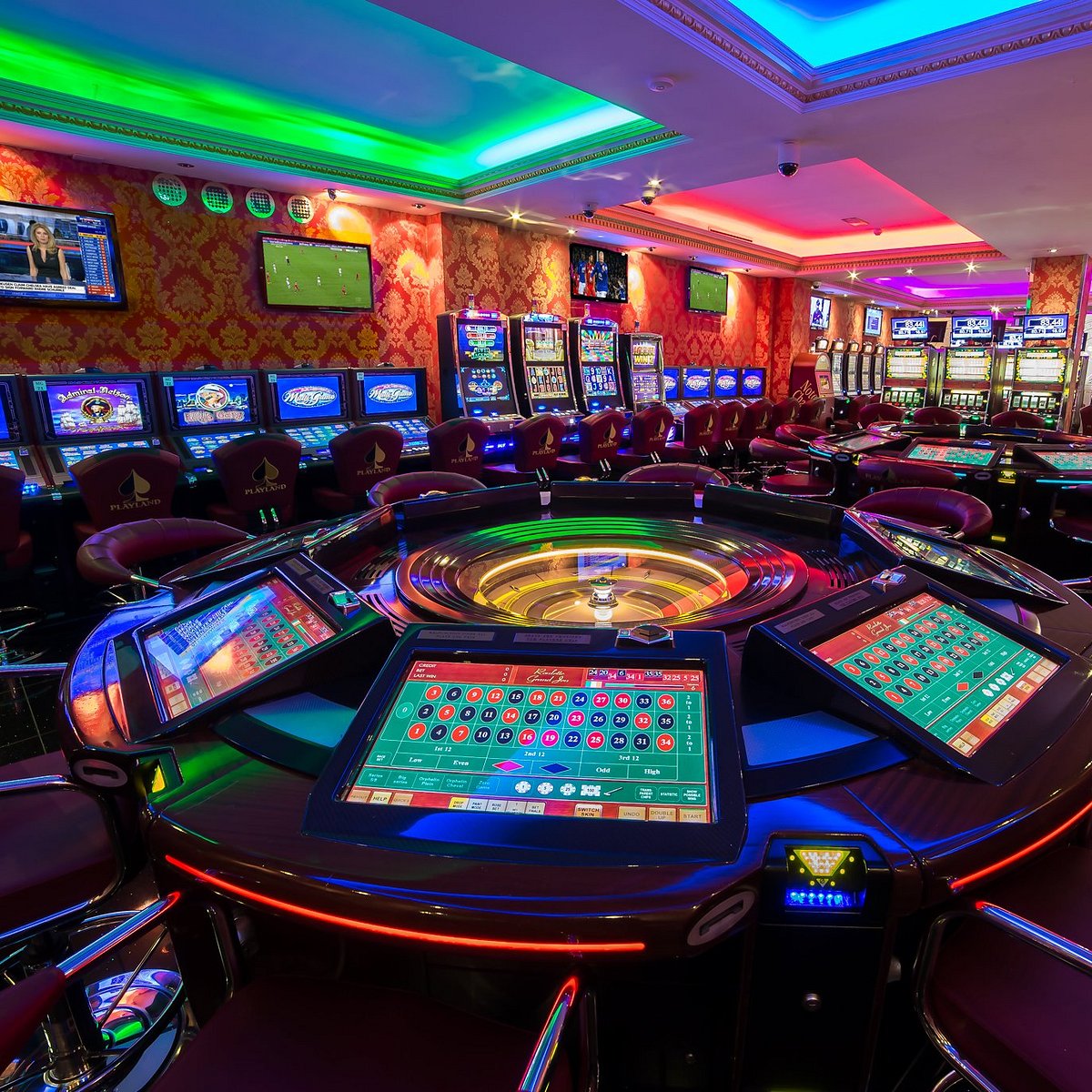
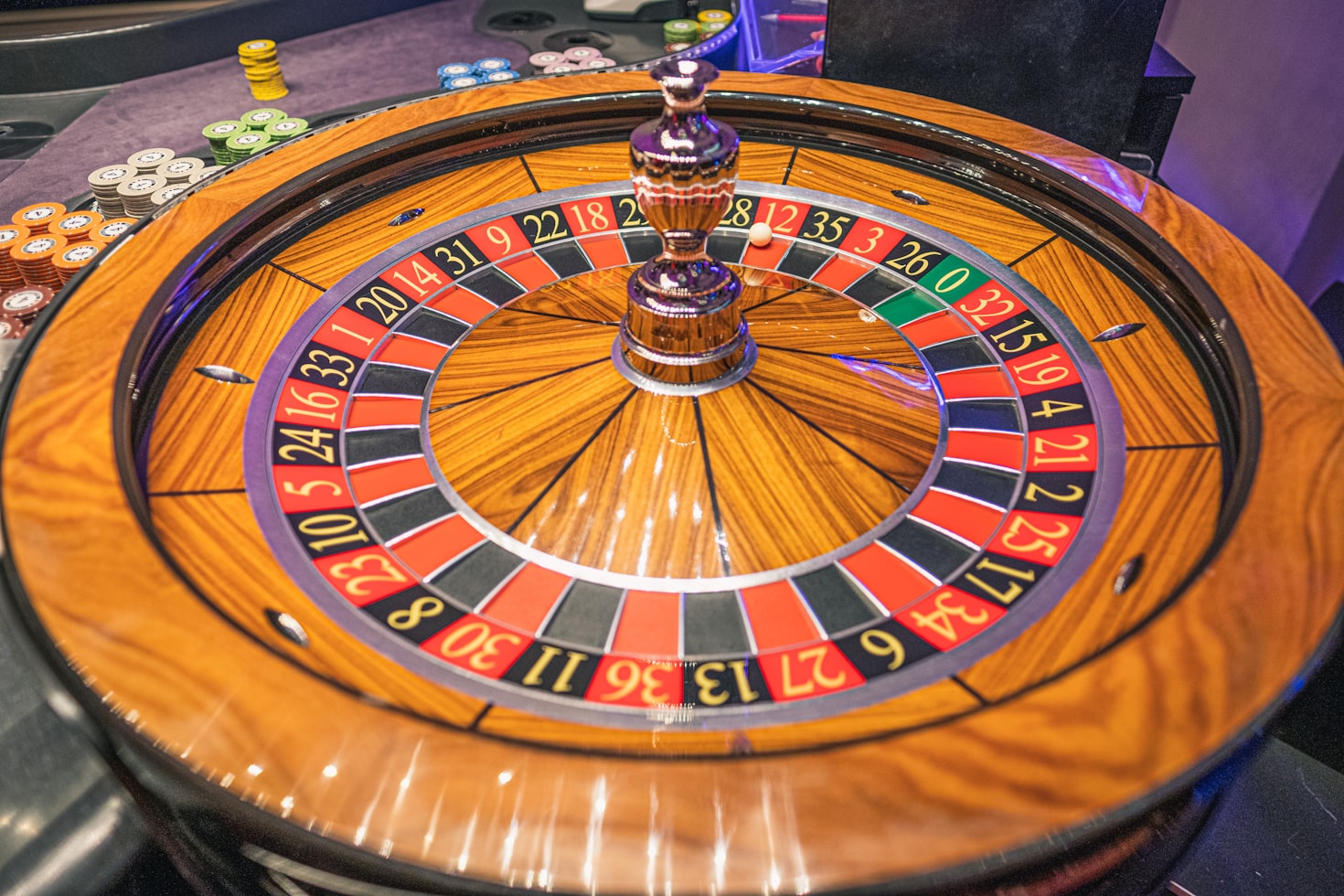
Casino table games are activities played around a designated table with equipment such as cards, chips, or a wheel. Different games use different layouts and procedures, creating recognizable spaces within the larger gaming room.

The table arrangement provides positions for participants and staff while leaving room for circulation. Clear explanations of the activity and its procedures are important because visitors may have different levels of familiarity with the setting.

Within a larger property, this subject connects to services that visitors may not immediately notice. Staff schedules, delivery routes, storage areas, and cleaning routines all influence how a public space operates. Coordination between these activities helps the visible part of the venue remain consistent during both quiet hours and periods of heavier use.

Operational records support continuity between shifts and departments. A clear description of a task or an unresolved issue allows the next person to continue the work without reconstructing the entire situation. The value of such records depends on relevant details, consistent terminology, and a clear indication of who is responsible for follow-up.

Temporary conditions can reveal details that are less noticeable during routine operation. A busy performance, a maintenance closure, or a change in weather may alter how people use the building. Reviewing these situations helps teams prepare practical alternatives and keep their explanations consistent when the normal arrangement is unavailable.

From an operational perspective, a table is a complete service area with its own equipment, layout, and communication requirements. Its role becomes clearer when viewed alongside the rest of the building, including the routes, services, and staff activities that connect the individual area with the wider experience of visiting an entertainment property.

Casino Restaurants


Casino restaurants provide dining services within a wider entertainment setting. They can range from small counters offering simple meals to formal dining rooms with reservations, dedicated kitchens, and a service style that is separate from the gaming floor.

Menus, seating arrangements, and opening hours reflect the intended audience of each restaurant. A venue serving theatre guests may experience a concentrated rush before a performance, while a hotel restaurant may receive customers throughout the day.

Changes within one department can affect several others. Moving an entrance, altering an event schedule, or temporarily closing a service point may change visitor routes and staff workloads elsewhere. Communicating these changes in advance makes it easier for different teams to provide consistent information and adjust their own preparations.

Periodic review allows a property to compare its intended arrangements with actual daily use. Useful questions concern access, comfort, waiting, maintenance, and the clarity of information. These observations do not require every space to look the same; they help each area perform its particular role within the larger venue.

Temporary conditions can reveal details that are less noticeable during routine operation. A busy performance, a maintenance closure, or a change in weather may alter how people use the building. Reviewing these situations helps teams prepare practical alternatives and keep their explanations consistent when the normal arrangement is unavailable.

Dining becomes a distinct part of the visitor experience when its atmosphere and service remain consistent during busy periods. Considering the visitor journey together with the work performed behind the scenes gives a more complete understanding of the subject than an assessment based entirely on appearance or on a single moment of use.

Casino Restaurants


Casino restaurants provide dining services within a wider entertainment setting. They can range from small counters offering simple meals to formal dining rooms with reservations, dedicated kitchens, and a service style that is separate from the gaming floor.

Menus, seating arrangements, and opening hours reflect the intended audience of each restaurant. A venue serving theatre guests may experience a concentrated rush before a performance, while a hotel restaurant may receive customers throughout the day.

Changes within one department can affect several others. Moving an entrance, altering an event schedule, or temporarily closing a service point may change visitor routes and staff workloads elsewhere. Communicating these changes in advance makes it easier for different teams to provide consistent information and adjust their own preparations.

Periodic review allows a property to compare its intended arrangements with actual daily use. Useful questions concern access, comfort, waiting, maintenance, and the clarity of information. These observations do not require every space to look the same; they help each area perform its particular role within the larger venue.

Temporary conditions can reveal details that are less noticeable during routine operation. A busy performance, a maintenance closure, or a change in weather may alter how people use the building. Reviewing these situations helps teams prepare practical alternatives and keep their explanations consistent when the normal arrangement is unavailable.

Dining becomes a distinct part of the visitor experience when its atmosphere and service remain consistent during busy periods. Considering the visitor journey together with the work performed behind the scenes gives a more complete understanding of the subject than an assessment based entirely on appearance or on a single moment of use.

Casino Concert Venues


Casino concert venues provide spaces for live music within larger hospitality properties. Some use dedicated auditoriums, while others adapt multipurpose halls or outdoor areas to accommodate different audience sizes and styles of musical performance.

Sound equipment, stage construction, loading access, and audience circulation are central operational concerns. A concert also changes the pattern of activity in nearby restaurants, entrances, and transport areas as many visitors arrive and leave within a short period.

The relationship between appearance and function is especially important in a frequently used venue. Decorative choices contribute to character, but the same materials and objects must also withstand cleaning, movement, and repeated handling. A design can remain attractive for longer when maintenance requirements are considered before the space begins operating.

Periodic review allows a property to compare its intended arrangements with actual daily use. Useful questions concern access, comfort, waiting, maintenance, and the clarity of information. These observations do not require every space to look the same; they help each area perform its particular role within the larger venue.

The wider setting also matters. A property beside a busy street faces different arrival patterns from one reached mainly by private transport. Nearby hotels, event spaces, and public routes can influence the flow of visitors, making the relationship between the venue and its surroundings part of everyday operational planning.

A well-organized concert depends on coordination between technical crews and the teams responsible for the surrounding public spaces. Over time, changes in visitor patterns and service arrangements may call for adjustments, making regular observation a useful complement to the original design and to the procedures established when a facility first opens.

Casino Concert Venues


Casino concert venues provide spaces for live music within larger hospitality properties. Some use dedicated auditoriums, while others adapt multipurpose halls or outdoor areas to accommodate different audience sizes and styles of musical performance.

Sound equipment, stage construction, loading access, and audience circulation are central operational concerns. A concert also changes the pattern of activity in nearby restaurants, entrances, and transport areas as many visitors arrive and leave within a short period.

The relationship between appearance and function is especially important in a frequently used venue. Decorative choices contribute to character, but the same materials and objects must also withstand cleaning, movement, and repeated handling. A design can remain attractive for longer when maintenance requirements are considered before the space begins operating.

Periodic review allows a property to compare its intended arrangements with actual daily use. Useful questions concern access, comfort, waiting, maintenance, and the clarity of information. These observations do not require every space to look the same; they help each area perform its particular role within the larger venue.

The wider setting also matters. A property beside a busy street faces different arrival patterns from one reached mainly by private transport. Nearby hotels, event spaces, and public routes can influence the flow of visitors, making the relationship between the venue and its surroundings part of everyday operational planning.

A well-organized concert depends on coordination between technical crews and the teams responsible for the surrounding public spaces. Over time, changes in visitor patterns and service arrangements may call for adjustments, making regular observation a useful complement to the original design and to the procedures established when a facility first opens.

Casino Concert Venues


Casino concert venues provide spaces for live music within larger hospitality properties. Some use dedicated auditoriums, while others adapt multipurpose halls or outdoor areas to accommodate different audience sizes and styles of musical performance.

Sound equipment, stage construction, loading access, and audience circulation are central operational concerns. A concert also changes the pattern of activity in nearby restaurants, entrances, and transport areas as many visitors arrive and leave within a short period.

The relationship between appearance and function is especially important in a frequently used venue. Decorative choices contribute to character, but the same materials and objects must also withstand cleaning, movement, and repeated handling. A design can remain attractive for longer when maintenance requirements are considered before the space begins operating.

Periodic review allows a property to compare its intended arrangements with actual daily use. Useful questions concern access, comfort, waiting, maintenance, and the clarity of information. These observations do not require every space to look the same; they help each area perform its particular role within the larger venue.

The wider setting also matters. A property beside a busy street faces different arrival patterns from one reached mainly by private transport. Nearby hotels, event spaces, and public routes can influence the flow of visitors, making the relationship between the venue and its surroundings part of everyday operational planning.

A well-organized concert depends on coordination between technical crews and the teams responsible for the surrounding public spaces. Over time, changes in visitor patterns and service arrangements may call for adjustments, making regular observation a useful complement to the original design and to the procedures established when a facility first opens.

Casino Concert Venues


Casino concert venues provide spaces for live music within larger hospitality properties. Some use dedicated auditoriums, while others adapt multipurpose halls or outdoor areas to accommodate different audience sizes and styles of musical performance.

Sound equipment, stage construction, loading access, and audience circulation are central operational concerns. A concert also changes the pattern of activity in nearby restaurants, entrances, and transport areas as many visitors arrive and leave within a short period.

The relationship between appearance and function is especially important in a frequently used venue. Decorative choices contribute to character, but the same materials and objects must also withstand cleaning, movement, and repeated handling. A design can remain attractive for longer when maintenance requirements are considered before the space begins operating.

Periodic review allows a property to compare its intended arrangements with actual daily use. Useful questions concern access, comfort, waiting, maintenance, and the clarity of information. These observations do not require every space to look the same; they help each area perform its particular role within the larger venue.

The wider setting also matters. A property beside a busy street faces different arrival patterns from one reached mainly by private transport. Nearby hotels, event spaces, and public routes can influence the flow of visitors, making the relationship between the venue and its surroundings part of everyday operational planning.

A well-organized concert depends on coordination between technical crews and the teams responsible for the surrounding public spaces. Over time, changes in visitor patterns and service arrangements may call for adjustments, making regular observation a useful complement to the original design and to the procedures established when a facility first opens.

Casino Concert Venues


Casino concert venues provide spaces for live music within larger hospitality properties. Some use dedicated auditoriums, while others adapt multipurpose halls or outdoor areas to accommodate different audience sizes and styles of musical performance.

Sound equipment, stage construction, loading access, and audience circulation are central operational concerns. A concert also changes the pattern of activity in nearby restaurants, entrances, and transport areas as many visitors arrive and leave within a short period.

The relationship between appearance and function is especially important in a frequently used venue. Decorative choices contribute to character, but the same materials and objects must also withstand cleaning, movement, and repeated handling. A design can remain attractive for longer when maintenance requirements are considered before the space begins operating.

Periodic review allows a property to compare its intended arrangements with actual daily use. Useful questions concern access, comfort, waiting, maintenance, and the clarity of information. These observations do not require every space to look the same; they help each area perform its particular role within the larger venue.

The wider setting also matters. A property beside a busy street faces different arrival patterns from one reached mainly by private transport. Nearby hotels, event spaces, and public routes can influence the flow of visitors, making the relationship between the venue and its surroundings part of everyday operational planning.

A well-organized concert depends on coordination between technical crews and the teams responsible for the surrounding public spaces. Over time, changes in visitor patterns and service arrangements may call for adjustments, making regular observation a useful complement to the original design and to the procedures established when a facility first opens.

Casino Concert Venues


Casino concert venues provide spaces for live music within larger hospitality properties. Some use dedicated auditoriums, while others adapt multipurpose halls or outdoor areas to accommodate different audience sizes and styles of musical performance.

Sound equipment, stage construction, loading access, and audience circulation are central operational concerns. A concert also changes the pattern of activity in nearby restaurants, entrances, and transport areas as many visitors arrive and leave within a short period.

The relationship between appearance and function is especially important in a frequently used venue. Decorative choices contribute to character, but the same materials and objects must also withstand cleaning, movement, and repeated handling. A design can remain attractive for longer when maintenance requirements are considered before the space begins operating.

Periodic review allows a property to compare its intended arrangements with actual daily use. Useful questions concern access, comfort, waiting, maintenance, and the clarity of information. These observations do not require every space to look the same; they help each area perform its particular role within the larger venue.

The wider setting also matters. A property beside a busy street faces different arrival patterns from one reached mainly by private transport. Nearby hotels, event spaces, and public routes can influence the flow of visitors, making the relationship between the venue and its surroundings part of everyday operational planning.

A well-organized concert depends on coordination between technical crews and the teams responsible for the surrounding public spaces. Over time, changes in visitor patterns and service arrangements may call for adjustments, making regular observation a useful complement to the original design and to the procedures established when a facility first opens.

Casino Concert Venues


Casino concert venues provide spaces for live music within larger hospitality properties. Some use dedicated auditoriums, while others adapt multipurpose halls or outdoor areas to accommodate different audience sizes and styles of musical performance.

Sound equipment, stage construction, loading access, and audience circulation are central operational concerns. A concert also changes the pattern of activity in nearby restaurants, entrances, and transport areas as many visitors arrive and leave within a short period.

The relationship between appearance and function is especially important in a frequently used venue. Decorative choices contribute to character, but the same materials and objects must also withstand cleaning, movement, and repeated handling. A design can remain attractive for longer when maintenance requirements are considered before the space begins operating.

Periodic review allows a property to compare its intended arrangements with actual daily use. Useful questions concern access, comfort, waiting, maintenance, and the clarity of information. These observations do not require every space to look the same; they help each area perform its particular role within the larger venue.

The wider setting also matters. A property beside a busy street faces different arrival patterns from one reached mainly by private transport. Nearby hotels, event spaces, and public routes can influence the flow of visitors, making the relationship between the venue and its surroundings part of everyday operational planning.

A well-organized concert depends on coordination between technical crews and the teams responsible for the surrounding public spaces. Over time, changes in visitor patterns and service arrangements may call for adjustments, making regular observation a useful complement to the original design and to the procedures established when a facility first opens.

Select the fields to be shown. Others will be hidden. Drag and drop to rearrange the order.
  • Image
  • SKU
  • Rating
  • Price
  • Stock
  • Availability
  • Add to cart
  • Description
  • Content
  • Weight
  • Dimensions
  • Additional information
Click outside to hide the comparison bar
Compare
Shopping cart close